Hey folks, let’s cut to the chase—if you’re running a facility that tests electronic component flammability (or you’re the ops lead who’s stuck managing that tester), you already know one thing: safety isn’t an afterthought here. I’m not some random blogger— I’m a part of the team that builds these testers, so I’ve seen firsthand what happens when teams skip small, easy-to-overlook steps. No jargon, no corporate fluff—just straight talk on keeping your operators safe when they fire up that flammability tester. Electronic Component Flammability Tester
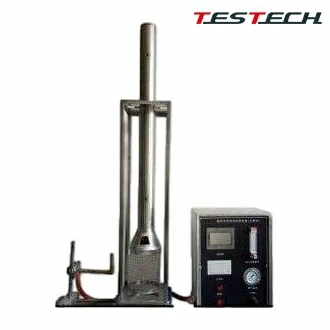
First, let’s get one thing out of the way: your tester’s safety starts way before you turn it on. Most folks skip pre-use checks because they think “it’s new” or “it worked last time.” Wrong. I’ve seen a brand-new unit with a faulty gas regulator leak propane right into the test chamber because the technician didn’t do a quick pressure test. Here’s the routine we train our clients on: first, do a visual walkaround. Check the gas line connections—twist them gently to make sure they’re not loose, and look for any cracks in the rubber tubing. Then, grab a multimeter (or our optional pre-check tool if you bought it) to verify the ignition system: hit the test button and make sure the spark is consistent, not sputtering. Last, check the exhaust filter. If that’s clogged, toxic fumes from burning components don’t get pulled out right—operators standing 3 feet away end up inhaling stuff no one should breathe. We add a sticker on every tester that says “Pre-Check: Do This Before Start” but trust me, I’ve seen that sticker ignored. Don’t be that team.
Next, personal protective equipment (PPE) isn’t just a box to tick. We get it—no one wants to look like a space suit in their own lab, but cutting corners here is reckless. Let’s break it down: first, face protection. A standard safety glass isn’t enough—when a component fails, sometimes it explodes, sending tiny shards flying. That’s why we recommend impact-resistant polycarbonate face shields, not just goggles. Goggles are fine for other jobs, but a face shield covers your whole face, even the top and sides. Then, fire-resistant clothing. No synthetic fabrics—polyester melts, and if a spark lands on it, it sticks to your skin. We tell clients to make sure their lab coats are 100% cotton or aramid (like Nomex) — and no loose sleeves! Those can dangle into the test chamber, catch fire, and pull you too close. Gloves? Nitrile works for handling cool components, but when you’re loading a test right after a burn, those parts are hot. Heat-resistant gloves (not oven mitts—those are too bulky) are non-negotiable. Last, respiratory protection. If your exhaust fails, or you’re testing components with brominated flame retardants (super common in PCBs), fumes are toxic. We supply fitted N95 masks with organic vapor cartridges, and if you’re running 10+ tests a day, we suggest half-face respirators. Don’t skip the fit test—if the mask leaks, it’s useless. I’ve seen operators wear loose masks and end up with headaches so bad they had to take a day off. Not worth it.
When you’re actually running the test, never let operators work alone. That’s a rule we hammer into every client, but some small labs try to skip it to save labor. Here’s why: if a gas leak happens, or a test chamber door sticks closed, you need someone who’s not in the room to hit the emergency stop (E-stop) button. Wait—where’s your E-stop? We mount ours in two spots: right on the tester’s front panel, and 6 feet away, by the door to the test area. Operators should know where both are. Also, set a timer for every test. Flammability tests have specific durations (usually 10, 30, or 60 seconds) — if you walk away and forget, you could overheat the chamber, trigger a bigger fire, or let toxic fumes build up. We add a digital timer that beeps after the test, but I’ve seen an operator zone out, miss the beep, and leave the chamber running for 10 minutes. That’s a close call no one wants.
Now, the part most people mess up: post-test handling. When the test ends, the component is still hot—way too hot to touch. A lot of teams grab a metal pair of tweezers right away, but if the tweezers aren’t insulated, you’ll burn your hand. Here’s the trick: let the test chamber ventilate for 2 full minutes before opening it. That’s not arbitrary—our tester’s ventilation system pulls 90% of residual fumes out in 90 seconds, so 2 minutes gives you time to open the door without inhaling anything. Then, use insulated tweezers or a heat-resistant handling tool (we make these for our testers, so ask your rep) to pull the component out. Set it on a ceramic tile, not a metal tray—metal holds heat, ceramic dissipates it fast, so the part will be cool enough to toss in a bin in 5 minutes, not 20. Never put a hot component in a plastic trash can—melted plastic releases more toxic fumes and can start a secondary fire.
Wait, let’s talk about maintenance—because even the best pre-check fails if you skip regular upkeep. We service every tester we sell, but if you’re doing in-house maintenance, here’s what you need to do monthly: first, replace the gas filter. A clogged filter makes the regulator work harder, which can cause leaks. Second, test the E-stop system every two weeks—hit it, make sure the gas shuts off and the chamber stops heating immediately. Third, clean the test chamber. Burned components leave residue that can catch fire during the next test, or even damage the chamber’s temperature sensor. Use a dry cloth, not a liquid cleaner—liquid can seep into the electrical parts and cause a short. We send out a free maintenance checklist with every new tester, but if you lost it, just reach out and we’ll send you a digital copy.
Also, training isn’t a one-and-done thing. We do on-site training for all our clients, but some teams let a new guy shadow once and then send them alone. That’s a mistake. Every operator should know: how to spot a gas leak (use soapy water—don’t light a match!), how to use the E-stop, what components are safe to test (we have a list of restricted parts—lithium-ion batteries, for example, can explode in our tester, so never load those), and what to do in an emergency. We even have a 15-minute refresh training every quarter for repeat clients, because people forget small things fast. I’ve trained operators who worked for 3 years, and they still learned a new trick that prevented a hazard.
Oh, and one last thing: don’t ignore small complaints. If an operator says the tester’s door sticks, or the exhaust smells off, don’t brush it off as “just how it is.” We had a client last year who noticed the door was hard to close but kept using it—turns out the seal was worn, so fumes were leaking out every time they opened the door. We sent a tech out to replace the seal, and that team hasn’t had a single fume-related complaint since. Small issues lead to big risks—always address them right away.

At the end of the day, your operators are your most valuable asset—you can’t run tests without them, so keeping them safe isn’t just a compliance thing, it’s smart business. If you’re looking to upgrade your flammability tester, or just need help tightening up your safety protocols, reach out to our team to chat through your needs. We don’t do one-size-fits-all solutions—we tailor advice to your lab, your workflow, and your operator’s experience level.
Wire Cable Flammability Tester References
- International Electrotechnical Commission (IEC) Standard 60695-11-10: Fire hazard testing for electronic components, 2020.
- Occupational Safety and Health Administration (OSHA), “Chemical Safety in Laboratory Settings,” 2022.
- National Fire Protection Association (NFPA), “Standard for Fire Protection in Electronic Facilities,” 2021.
TESTech Instrument (Suzhou) Technologies
TESTech Instrument (Suzhou) Technologies is one of the most reliable electronic component flammability tester manufacturers and suppliers in China. If you’re going to wholesale durable electronic component flammability tester, welcome to get quotation from our factory. For price consultation, contact us.
Address: 8/F, R&D and Production Workshop No. 5, Jiangsu Guoqian Technology Innovation Industrial Park, 168 Lüliangshan Road, Huqiu District, Suzhou, Jiangsu Province, China
E-mail: sales@testech.com.cn
WebSite: https://www.testechfiretest.com/
