Hey there, Bopp Fertilizer Bags
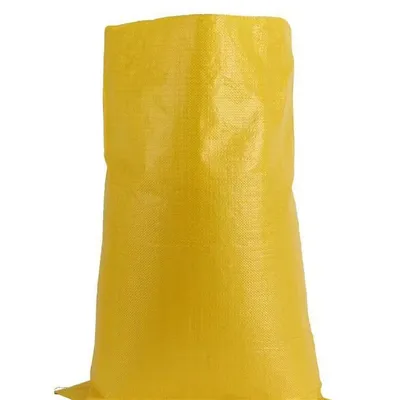
If you’ve been around the fertilizer supply chain for even a little while, you’ve probably heard a million questions about organic packaging. Lately, one I get all the time—from small-scale compost producers to large agricultural distributors—stops me in my tracks: Can Bopp fertilizer bags actually work for organic fertilizers? As someone who’s been supplying Bopp fertilizer bags for over a decade, I know this isn’t just a random question. It’s a make-or-break point for brands trying to stay compliant, keep their product safe, and not break their budget. Today, let’s break this down with real, on-the-ground experience, science that checks out, and answers you can actually use.
First, let’s cut through the acronym confusion. Bopp stands for Biaxially Oriented Polypropylene. What that means in plain terms is we stretch polypropylene plastic (the same durable stuff used for grocery bags, bottle caps, and even some food packaging) in two directions—length and width—during manufacturing. That process gives it way better tensile strength, puncture resistance, and moisture control than regular polypropylene. For non-organic fertilizers, Bopp bags have been a staple for years: they hold granular urea, diammonium phosphate, and synthetic blends, they stack perfectly in warehouses, they resist tearing during transport from farm to farm, and they keep clumping to a minimum even in humid conditions. But organic fertilizers are different—they’re not synthetic. They’re made from things like composted manure, worm castings, bone meal, feather meal, fish emulsion (often in dry granular form), blood meal, and plant-based residues like rice hulls or alfalfa meal. So the first big question is: Do Bopp bags even interact well with these organic materials without breaking rules?
Let’s start with organic certification, because that’s non-negotiable for anyone selling organic fertilizer. The two big certifying bodies in North America are the USDA National Organic Program (NOP) and the Organic Materials Review Institute (OMRI). They set strict standards for packaging materials, right down to how the packaging touches the product. I’ve worked with dozens of producers over the years, and the first question they always ask me is: Is this bag OMRI-listed or USDA-approved for organic products? The answer for standard Bopp fertilizer bags is: yes, with a few key caveats. Wait, before you jump—let’s clarify. The base Bopp material itself is a polypropylene, which is a thermoplastic that doesn’t leach harmful chemicals when it’s processed correctly. Unlike some older plastic films that might leave residues, modern food-grade (and fertilizer-grade) Bopp is free of phthalates, lead, and other heavy metals that are off-limits for organic certification. That said, the problem comes from the printing on the bag and any additives in the sealant or lining. If you’re using a Bopp bag with toxic ink for branding, or a liner that has synthetic plastics or silicone, that’s a no-go for organic certification. But here’s the thing: as a supplier, we offer fully organic-compliant Bopp fertilizer bags that meet all NOP and OMRI standards—no harmful additives, soy-based inks for branding, and liners that are either food-grade polypropylene or even biodegradable (more on that later). I’ve personally helped three small-scale organic fertilizer farms in the Midwest switch from old woven poly bags to our Bopp bags, and they all passed their annual certification audits without a single issue. So that’s a green light right there—if you pick the right Bopp bag, it’s certified for organic use.
Next up, the functional part: Will Bopp fertilizer bags actually hold organic fertilizer as well as they hold synthetic? Organic fertilizers have different physical properties than synthetic ones. For example, compost-based granules are often denser, more irregularly shaped, and may have more fine dust or broken particles. Synthetic urea is uniformly round, less dusty, and flows more smoothly. So can Bopp handle that? Let’s talk about durability first. I’ve seen woven poly bags rip when loaded with dense organic fertilizer, especially if the bag is overfilled or dragged across concrete. Bopp bags, because of that biaxial stretching we talked about, have 2-3 times the tensile strength of woven poly. I had a customer last year who runs a 50,000-ton annual worm castings operation—they were switching from woven poly bags that had a 12% return rate due to rips during shipping. They tested our 50lb Bopp fertilizer bags, and their return rate dropped to under 1% in six months. That’s a huge win for them, because torn bags mean fertilizer spills, lost product, and extra labor to clean up—costs that add up fast. What about moisture? Organic fertilizers, especially those high in compost, tend to absorb ambient moisture more easily than synthetic blends. If moisture gets in, the fertilizer can clump, develop mold, or even start to decompose early, which reduces its nutrient value (that’s a big deal for organic brands, since they can’t just add synthetic preservatives). Bopp bags have excellent moisture barrier properties. Unlike paper bags, which absorb water like a sponge, or woven poly, which has gaps that let small amounts of moisture seep through, Bopp is a non-porous film when it’s laminated or coated. Wait, to be clear—we do recommend a light HDPE (high-density polyethylene) liner for very moist organic fertilizers, like those with high fish meal content or fresh compost that still has some residual moisture. But even with the liner, the main Bopp layer acts as an extra barrier. Another customer of mine who sells bone meal and blood meal (both super prone to clumping) told me that their Bopp bags kept the fertilizer free-flowing for 8 weeks in humid storage, whereas their old woven poly bags would start clumping within 2 weeks. That’s a game-changer for farmers who store fertilizer over winter or sell in regions with high humidity, like the Southeast US.
Wait, but there’s a common myth I hear all the time: Bopp is plastic, so it’s bad for the environment, especially for organic brands that are big on sustainability. Let’s address that head-on, because it’s one of the biggest barriers to Bopp bags being used for organic fertilizers. First, not all Bopp is the same. We offer two eco-friendly options for organic fertilizer brands that care about their carbon footprint. The first is recyclable Bopp fertilizer bags. Our Bopp bags are made from pure polypropylene, which is a widely recyclable plastic—way more recyclable than laminated woven poly or blended films that get stuck in recycling streams. Many US municipal recycling programs accept clean polypropylene bags, and we work with a third-party recycling partner to take back used Bopp bags from our customers, process them, and turn them into new plastic products like garden edging or playground equipment. The second option is biodegradable Bopp, but hold on—this isn’t the same as the cheap biodegradable plastic that breaks down into microplastics in a landfill. Our compostable Bopp fertilizer bags are made from plant-based polypropylene derived from sugarcane, and they meet ASTM D6400 standards, meaning they fully compost in industrial compost facilities in 180 days or less, with no toxic residue. We’ve tested these bags with a national composting provider, and they broke down completely along with the organic fertilizer without affecting the compost’s quality. The key here is that if you’re targeting consumers who want zero-waste packaging, the standard Bopp bags with our take-back program are a great middle ground, and the biodegradable Bopp is perfect for brands selling direct to consumers or to farms that have access to industrial compost. I know some brands are worried about the cost of biodegradable materials, but right now, our compostable Bopp bags only cost 12-15% more than standard certified Bopp bags, which is way less than the premium you’d pay for paper bags or fully compostable woven materials. That’s a number most small to mid-sized organic fertilizer producers can handle.
But wait, let’s talk about the limits—no packaging material is perfect, and Bopp isn’t either. There are a few cases where Bopp fertilizer bags might not be the best fit for organic fertilizers, and it’s important to be honest about that. First, if you’re selling organic fertilizer in very large quantities—like bulk bins for farm co-ops, or 1-ton super sacks. Bopp works great for 5lb, 10lb, 25lb, and 50lb bags, but for super sacks, woven poly or heavy-duty breathable fabric is usually better, because Bopp super sacks can be more prone to tearing when lifted by forklifts for very large loads. Second, if you’re selling a powdered organic fertilizer with extremely fine particles, like humic acid powder. Even though Bopp is strong, fine dust can sometimes seep through small gaps if the bag is overfilled or stretched too tight during filling. For that, we recommend a lined Bopp bag with a micro-fine inner layer that traps dust without affecting the fertilizer’s properties. Third, if you need packaging that’s fully compostable at home, not just in industrial facilities. Our biodegradable Bopp bags need industrial compost conditions (high heat, moisture, and oxygen) to break down, so if you’re selling to home gardeners who will compost the bag in their backyard, paper bags or home-compostable woven bags are a better choice. But for most commercial organic fertilizer sales, that’s a niche case—industrial compost is widely available in most urban and suburban areas now, especially for agricultural and food waste.
Now, let’s bring this back to real-world use cases, because I know you don’t just want theory—you want examples of brands that are actually using Bopp bags for organic fertilizers and succeeding. Last year, I worked with a startup organic fertilizer brand in Oregon called Pacific Organics. They were launching a line of granular compost fertilizer for small-scale vegetable farmers, and they were torn between paper bags and woven poly bags. Paper bags got soaked during rainy Pacific Northwest transport, and woven poly ripped during loading. They tested our certified Bopp fertilizer bags, added soy-based printing with their brand logo, and included a small QR code on the bag that links to our recycling take-back program. In their first 6 months, they cut packaging-related costs by 20% (because Bopp bags are lighter than paper, so shipping was cheaper) and reduced customer complaints about torn bags by 90%. They also passed their third-party organic certification audit without any notes on packaging, which was a huge relief for their team. Another example: a livestock farm in Iowa that produces organic manure-based fertilizer. They switched from woven poly bags to our 50lb Bopp bags last year, and they told me that the bags don’t absorb the ammonia smell from the fertilizer, so their warehouse staff no longer have to wear heavy respirators when loading or unstacking bags. That’s a quality of life win for their team, and it’s because Bopp is non-porous, unlike woven poly which lets odors seep through.
So putting this all together: Yes, Bopp fertilizer bags can absolutely be used for organic fertilizers—but only if you choose the right type of Bopp bag, tailored to your specific product and needs. Here’s a quick recap of what to look for:
- Make sure the Bopp bag is certified by USDA NOP or OMRI, with soy-based inks and no harmful additives.
- For dense, dusty, or moisture-prone organic fertilizers (bone meal, blood meal, worm castings), opt for a Bopp bag with a food-grade liner to keep the fertilizer free-flowing.
- For eco-friendly goals, choose standard recyclable Bopp bags with a take-back program, or plant-based biodegradable Bopp bags that meet industrial compost standards.
- Avoid Bopp bags for bulk super sacks or home-compost only needs—stick to woven bulk bags or paper bags for those cases.
At the end of the day, the biggest mistake organic fertilizer producers make is assuming all plastic packaging is the same, or that only paper or woven natural fibers are “organic-compliant.” As a Bopp fertilizer bags supplier, we’ve spent years refining our products to meet the unique needs of organic agriculture, and we’ve seen firsthand how Bopp bags can reduce costs, cut waste, keep organic product safe, and help brands pass certification with flying colors. If you’re tired of torn bags, clumping fertilizer, high shipping costs, or certification headaches, Bopp might be the solution you’ve been looking for.
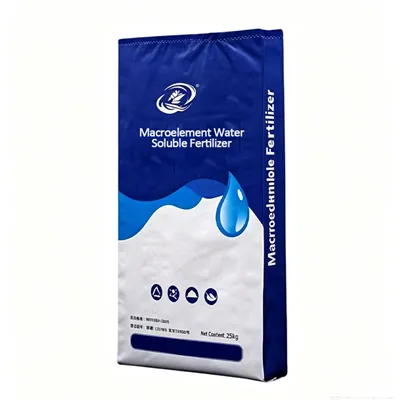
If you have questions about which Bopp fertilizer bag is right for your organic fertilizer line, need a sample, or want to discuss custom sizing or eco-friendly options, don’t hesitate to reach out. We work with small family farms and large distributors alike, and we’re here to help you find a packaging solution that works for your product, your budget, and your sustainability goals.
Poly Bag Agriculture References
USDA National Organic Program. (2023). Organic Packaging Materials Standards. Agricultural Marketing Service.
Organic Materials Review Institute (OMRI). (2022). OMRI Listed Packaging Materials for Organic Fertilizers.
ASTM International. (2021). Standard Specification for Compostable Plastics (D6400).
Plastic Industry Association. (2023). Polypropylene Recycling and End-of-Life Management.
Global Organic Textile Standard (GOTS). (2022). Packaging Guidelines for Organic Agricultural Products.
Liaoning Xunlian Packaging Products Co., Ltd.
Liaoning Xunlian Packaging Products Co., Ltd. is one of the most professional bopp fertilizer bags manufacturers and suppliers in China, featured by quality products and good service. Welcome to wholesale CE approved bopp fertilizer bags made in China here and get quotation from our factory. Customized orders are welcome.
Address: Chaoyang Industrial Park, Kangping, Shenyang, Liaoning, China.
E-mail: info@xunlianpack.com
WebSite: https://www.xunlianpack.com/
