As a supplier of printed quilts, I’ve encountered numerous queries about proper care and maintenance. One question that comes up quite often is, "How to iron a printed quilt?" Ironing a printed quilt is not as straightforward as it might seem, as improper techniques can damage the fabric and the print. In this blog, I’ll share my insights and best practices on how to iron a printed quilt effectively while preserving its quality and beauty. Printed Quilt
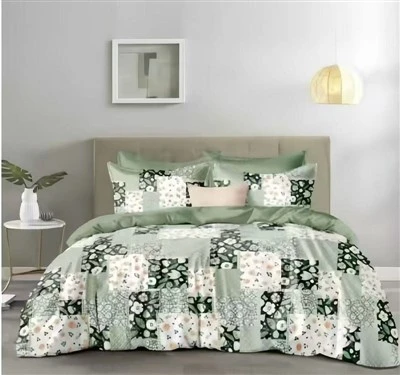
Understanding Your Printed Quilt
Before you start ironing, it’s essential to understand the composition of your printed quilt. Printed quilts can be made from various fabrics, including cotton, polyester, silk, or a blend of these materials. Each fabric has unique properties and requires different care. Additionally, the printing method used on the quilt can also affect how you should iron it. Some common printing methods include screen printing, digital printing, and reactive printing.
- Cotton Quilts: Cotton is a popular choice for printed quilts because it’s breathable, soft, and easy to care for. Most cotton quilts can withstand moderate heat, making them relatively easy to iron. However, it’s important to check the care label for specific instructions, as some cotton blends or treated cottons may require lower heat settings.
- Polyester Quilts: Polyester is a synthetic fabric known for its durability and wrinkle resistance. Polyester quilts are generally easy to iron, but they can melt at high temperatures. Always use a low to medium heat setting when ironing polyester quilts to avoid damaging the fabric.
- Silk Quilts: Silk is a delicate and luxurious fabric that requires special care. Silk quilts should be ironed on a low heat setting with a press cloth to prevent direct contact between the iron and the silk. Avoid using steam on silk unless the care label specifically recommends it, as excessive moisture can cause water spots and damage the fabric.
- Blended Quilts: Many printed quilts are made from a blend of different fabrics, such as cotton-polyester or silk-cotton blends. When ironing blended quilts, it’s important to follow the care instructions for the most sensitive fabric in the blend. For example, if the quilt is a cotton-polyester blend, use a low to medium heat setting to protect the polyester from melting.
Preparing Your Quilt for Ironing
Once you’ve determined the fabric composition of your printed quilt, it’s time to prepare it for ironing. Here are some steps to follow:
- Read the Care Label: The care label on your quilt provides important information about the fabric composition, washing instructions, and ironing recommendations. Always read the care label carefully before ironing your quilt to avoid damaging the fabric.
- Remove Stains: If your quilt has any stains, it’s best to remove them before ironing. Follow the stain removal instructions on the care label or use a gentle stain remover that’s suitable for the fabric. Avoid using harsh chemicals or abrasive cleaners, as they can damage the fabric and the print.
- Wash and Dry the Quilt: It’s a good idea to wash and dry your quilt before ironing to remove any dirt, dust, or wrinkles. Follow the washing instructions on the care label and use a gentle cycle and mild detergent. Avoid using fabric softeners, as they can leave a residue on the fabric and affect the print. After washing, dry the quilt on a low heat setting or air dry it to prevent shrinkage.
- Lay the Quilt Flat: Find a clean, flat surface to iron your quilt, such as an ironing board or a large table. Lay the quilt flat on the surface, making sure it’s smooth and free of wrinkles. If the quilt is too large to fit on the ironing board, you can iron it in sections.
Ironing Your Printed Quilt
Now that your quilt is prepared, it’s time to start ironing. Here are some tips to help you iron your printed quilt effectively:
- Choose the Right Iron: Use a steam iron with adjustable temperature settings to ensure you can control the heat and moisture. Make sure the iron is clean and free of any debris or mineral deposits that could transfer to the quilt.
- Set the Iron Temperature: Based on the fabric composition of your quilt, set the iron temperature to the appropriate setting. As a general rule, use a low heat setting for delicate fabrics like silk and a medium heat setting for cotton and polyester blends. Avoid using high heat, as it can damage the fabric and the print.
- Use a Press Cloth: To protect the print on your quilt, place a clean, white cotton cloth between the iron and the quilt. The press cloth acts as a barrier, preventing direct contact between the iron and the fabric and reducing the risk of scorching or melting the print.
- Start with a Test Area: Before ironing the entire quilt, test the iron on a small, inconspicuous area of the quilt to make sure the heat and moisture settings are appropriate. If the fabric or print shows any signs of damage, adjust the iron settings accordingly.
- Iron in Sections: If the quilt is too large to fit on the ironing board, iron it in sections. Start at one end of the quilt and work your way across, using long, smooth strokes. Avoid pressing too hard on the iron, as this can cause the print to fade or transfer.
- Use Steam Sparingly: While steam can help remove wrinkles, it’s important to use it sparingly when ironing a printed quilt. Excessive steam can cause the print to bleed or fade, especially if the quilt is made from a delicate fabric. If you need to use steam, make sure the iron is set to a low steam setting and hold it a few inches away from the fabric.
- Iron the Backside First: To protect the print on the front of the quilt, it’s a good idea to iron the backside first. This will help remove any wrinkles and make it easier to iron the front without damaging the print.
- Avoid Ironing Over the Print: When ironing the front of the quilt, try to avoid ironing directly over the print. Instead, focus on the areas around the print and use a gentle touch to smooth out any wrinkles. If you need to iron over the print, use a press cloth and a very low heat setting.
Finishing Up
Once you’ve finished ironing your printed quilt, take a few extra steps to ensure it stays in good condition:
- Let the Quilt Cool: After ironing, let the quilt cool completely before folding or storing it. This will help the fabric retain its shape and prevent wrinkles from forming.
- Fold the Quilt Properly: When folding the quilt, make sure to fold it along the seams to avoid creasing the fabric. If possible, fold the quilt in thirds or quarters to make it easier to store.
- Store the Quilt in a Cool, Dry Place: To prevent the quilt from getting damaged or faded, store it in a cool, dry place away from direct sunlight. You can store the quilt in a closet, a storage bin, or a quilt rack.
Conclusion

Ironing a printed quilt requires a little bit of patience and care, but it’s not difficult if you follow the right techniques. By understanding the fabric composition of your quilt, preparing it properly, and using the right ironing settings and tools, you can keep your printed quilt looking beautiful for years to come.
Bedding Sets If you’re interested in purchasing high-quality printed quilts, we’re here to help. We offer a wide range of printed quilts in various styles, colors, and sizes to meet your needs. Whether you’re looking for a cozy quilt for your bedroom or a decorative quilt for your living room, we’ve got you covered. Contact us today to learn more about our products and to discuss your procurement needs. We’re looking forward to partnering with you!
References
- "Cotton Fabric Care Guide." The Spruce Crafts.
- "Polyester Fabric Care Tips." Real Simple.
- "Silk Fabric Care Instructions." Martha Stewart.
Haining Jiahao Supply Chain Co., Ltd.
As one of the most professional printed quilt manufacturers in China, we have world-leading production equipment and strong manufacturing capabilities. Welcome to wholesale bulk cheap printed quilt in stock here and get quotation from our factory. Customized orders are welcome.
Address: Room 903, Building 4, Hongxiang Life Plaza, No. 267, Nongfeng Road, Haining City, Zhejiang Province, China
E-mail: cecilia@jiahao-hn.com
WebSite: https://www.jiahaotextiles.com/
