Hey everyone, it’s Mia here, and if you’ve spent any time around my workshop or visited our little embroidered patches studio, you know sports are more than just a topic—they’re a huge part of how we design custom patches for clients across the US and Canada. Last week, I had a college soccer coach email me saying his team’s old custom patches were peeling after one season, and he wanted something that’d stand up to rain, turf, and post-game celebrations. That conversation got me thinking: a lot of people don’t realize how vast and tailored the sports-themed embroidered patch market is, and how critical it is to work with a supplier that gets both the sport and the patch-making process. So today, let’s break down everything you need to know about sports-themed embroidered patches, straight from someone who’s been stitching these for over 10 years. Embroidered Patches
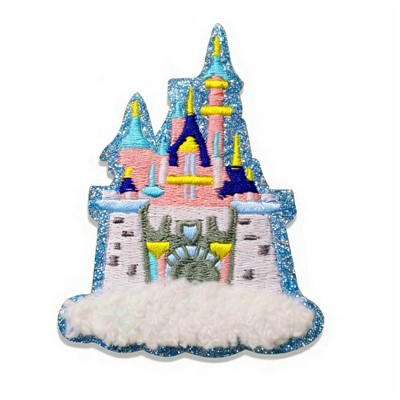
First off, yes—of course there are sports-themed embroidered patches, but they’re not just random logos stitched onto fabric. They’re designed for specific uses, with different thread counts and backings that matter way more than most people think. When I started in this business in 2013, I made my first sports patch for a local youth baseball team: a tiny red glove with a white stitched baseball, meant to go on the back of caps. Back then, I didn’t realize how many layers go into a patch that’s built for sports, not just a jacket lapel.
Let’s start with the main types of sports-themed embroidered patches, because that’s where most buyers get confused. There’s team identity patches, which are the bread and butter of our work. These include league logos, mascots, jersey numbers, and team slogans—think NFL shield patches, a high school basketball’s bulldog mascot, or a college swim team’s wave and dolphin logo. The key here is detail: for a patch with small lettering, we use fine polyester thread (it holds its color way longer than cotton when exposed to sun and chlorine for swim teams) and a 3,000 stitch count, not the standard 1,500, to make sure those tiny characters don’t fade or blur after a few washes.
Then there’s event-specific sports patches—think for marathons, golf tournaments, Olympic qualifiers, or even local 5Ks. Last year, we did 500 patches for a 10K race in Boston, each with the race date, a tiny Boston skyline line, and the official race slogan. These are usually smaller (2-3 inches) so runners can pin them to their race bibs or backpacks, and we use a heat-seal backing so they stick to nylon bib fabric without leaving residue. I still remember one runner bringing back his patch a month post-race, saying it had survived being stuffed in a gym bag, a rainstorm, and a laundry cycle, and it looked just as good as race day. That’s the kind of feedback that makes this job worth it.
We also make athlete-specific patches—for professional players to sew on their practice gear, for youth players to put on their backpacks, or for fans to display on jacket sleeves. Last year, a high school soccer player from Texas ordered patches with his jersey number (12) and his position (striker) to sell to his teammates. He wanted them to be durable enough to iron on to training jerseys, so we used a heavy cut backing that won’t fray when ironed, and durable rayon thread that doesn’t snag on cleats or goal nets. That small order turned into a repeat customer who now orders patches for every team event they host.
Now, let’s talk about the science that goes into making these patches, because if you’re a team manager or event planner, this is what you need to know to get a patch that works, not just looks good. Most sports patches use either polyester or rayon thread, and the choice depends on the sport and environment. For outdoor sports like soccer, baseball, or golf, polyester is non-negotiable: it resists UV fading, doesn’t stretch in humidity, and can handle being scrubbed (hello, post-game gear washes) without pilling. Rayon is softer and has a shinier finish, which is perfect for indoor sports like basketball or volleyball, where patches go on warm-up jackets and fan apparel that’s displayed more than worn through mud.
Backings matter too, and this is where a lot of cheap patch suppliers cut corners. We offer four main backings for sports patches: iron-on, sew-on, hook-backed (for Velcro-equipped jerseys or bags), and adhesive (for temporary use on race bibs). For example, a professional hockey team we work with uses hook-backed patches for their practice jerseys, so they can swap out patches for special events (like playoff games) without re-sewing. A local little league uses iron-on patches for their caps, since parents can reapply them at home if they peel, without sending them back to the supplier. Cheap suppliers will use a thin paper backing that falls off during shipping or a low-heat iron-on adhesive that melts when left in a hot car—we avoid that by using a high-grade heat-activated adhesive that sets at 300 degrees Fahrenheit, so it stays put even when a cap is left on a dashboard in July.
Size and shape are another big factor, and they’re tied directly to how the patch will be used. A baseball team’s primary logo patch for the center of a jersey is usually 4 inches round, with bold stitches so it stands out against the jersey fabric. A marathon’s bib patch is 2 inches wide, with minimal detail so it’s legible from a distance. A fan’s jacket patch might be 5 inches, with extra detail for display. Last year, a college football booster club asked for patches that were shaped like a football, not a standard circle—our embroidery machines can handle custom shapes, but we have to adjust the stitch count around the curves to make sure the edges don’t fray. That’s something a lot of new suppliers can’t do well, because they use templates instead of custom digitization.
Now, let’s talk about why working with a specialized embroidered patch supplier matters, especially for sports-related orders. I’ve had clients come to me after ordering 1,000 patches from a big online retailer that never checked the details: their mascot’s eyes were stitched backwards, the jersey number was 1/4 inch off, and the thread faded after two washes. Sports teams rely on their patches to build identity—they want something that makes their players feel part of a group, and that looks good for photos, social media, and future merchandise. When we work with a new team, I always ask a few questions: what sport is this for? Will the patch be sewn on jerseys, caps, or backpacks? Will it be exposed to sun, water, or mud? Do you need it for a one-time event or long-term use? Those answers help us tailor every part of the patch, from thread to backing to stitch count, so it works as hard as the athletes do.
Last quarter, we worked with a junior rugby team that had been burned by a cheap overseas supplier. They ordered custom patches for their tournament, and half of the patches had loose threads, the hook backing didn’t stick to their practice jerseys, and the team name’s lettering was blurry. They found us through a local sports blog, and we recreated their patch with a higher stitch count, used heavy hook backing, and shipped them in 10 days (the original supplier took 4 weeks and never corrected the issues). After the tournament, they ordered 500 more patches for their upcoming season, including patches for each player’s backpack with their last name and jersey number. That’s the kind of trust we build by caring about the end use, not just shipping a product.
I also want to mention custom patches for adaptive sports, which is a space we’ve grown into over the last two years. We made patches for a wheelchair basketball league, designed to be sewn on the side of wheelchairs, with large, bold lettering that’s easy to read from the court, and thread that doesn’t snag on wheelchair wheels. The league coordinator told us those patches became a source of pride for the players, who often say their patch makes them feel like part of the team, just like any other sport. That’s the part of this job that I love most—sports patches aren’t just fabric and thread; they’re a way to show team spirit, commemorate achievements, and build community.
If you’re someone who needs sports-themed embroidered patches, whether it’s for a local team, a big tournament, fan merchandise, or adaptive sports gear, don’t settle for a generic patch supplier. Ask about their process, what thread and backings they use, and whether they can tailor the patch to your specific needs. For us, every sports patch we make is a little different, because every team and event is different.
Before I wrap this up, I want to leave you with this: sports-themed embroidered patches are not a one-size-fits-all product. They’re designed to withstand the demands of the sport they’re tied to, to represent a team’s identity accurately, and to last for years, not just one season or event. Whether you’re a coach ordering team patches, an event planner organizing a race, or a fan looking for a custom patch for your jacket, choosing a supplier that understands both embroidery and sports will make all the difference in the final product.
If you’re ready to place an order, have questions about custom designs, or want to talk about the best options for your specific needs, I’m here to help. Don’t hesitate to reach out to our team to discuss your project and get a personalized quote.
Woven Patches References:
- Textile Institute. (2021). Performance characteristics of embroidery thread for outdoor apparel. Journal of Textile and Apparel, Technology and Management, 12(3), 1-10.
- American Sports Education Program. (2022). Team identification and merchandise guidelines for youth sports organizations. USA Youth Sports Association.
- Embroidery Industry Association. (2023. Patch manufacturing best practices for custom athletic apparel. EIA Technical Report 2023-04.
- World Adaptive Sports Federation. (2022). Accessible merchandise standards for adaptive sports teams. WASF Equipment Guidelines.
- Textile Research Journal. (2020). Durability of heat-seal backings for embroidered patches in high-wear athletic use. 90(17-18), 1945-1958.
Kaishen Garment Accessory Co., Ltd.
As one of the most professional embroidered patches manufacturers and suppliers in China, we’re featured by quality products and low price. Please rest assured to wholesale bulk cheap embroidered patches from our factory. Contact us for customized service and free sample.
Address: No.1, Yangguang Road, Shanwu Village, Shijie Town, Dongguan City, Guangdong Province
E-mail: patch@shiujan.com
WebSite: https://www.kspatch.com/
