If you’ve ever found yourself staring at a looming delivery deadline for temperature-sensitive goods—say, a batch of farm-fresh berries that can’t sit in the summer heat, a pallet of biopharmaceuticals requiring precise cold chain calibration, or even the holiday ice cream shipment you’re scrambling to get to a chain of grocery stores across three states—you’ve probably asked a very practical question: can a refrigerated truck be rented? Refrigerated Truck
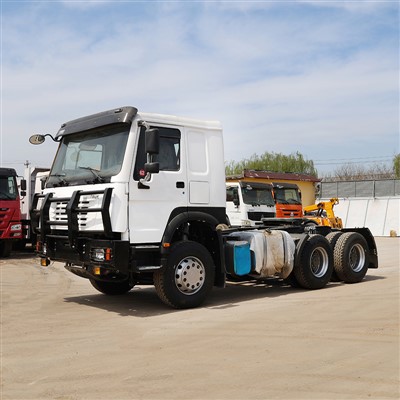
As a refrigerated truck supplier who’s spent the last 12 years answering this exact question for small businesses, large distributors, and everyone in between, I can tell you it’s one of the most frequent calls we get—and for good reason. Renting a refrigerated truck isn’t just a quick fix for one-off jobs; it’s a strategic decision that cuts costs, eliminates long-term maintenance headaches, and gives you flexibility you can’t get with owning. But it’s not always as straightforward as renting a standard moving truck. Let’s break down what really goes into refrigerated truck rentals, why they work for so many businesses, and what you need to know before you sign on the dotted line.
First, let’s clear up a common misconception: a refrigerated truck isn’t just a regular truck with a small fridge strapped to the back. The technology that keeps perishable goods at consistent, regulated temperatures—sometimes as cold as -20°C for frozen items, or as precise as 2°C for lab specimens— is far more complex than a kitchen fridge. That’s why when people ask “can I rent a refrigerated truck?” the answer isn’t a simple yes or no—it’s a yes, but only if you match the right truck to your needs, and work with a provider that understands cold chain logistics as well as you do.
Let’s start with when renting makes the most sense. For most small to mid-sized businesses, owning a refrigerated truck is a huge investment. A new 26-foot refrigerated box truck, for example, can cost upwards of $80,000, and that’s before you factor in the regular maintenance required for the refrigeration unit—oil changes, filter replacements, annual calibrations, and emergency repairs that can cost thousands of dollars if a unit fails mid-delivery. Then there’s insurance, licensing, and the cost of keeping the truck in your fleet when you only need it for a few weeks a year.
Take our regular customer, Mia, who runs a small specialty bakery in Portland, Oregon. For years, she owned a single refrigerated truck to deliver custom cakes and pastries to cafes across the Pacific Northwest. But last year, she landed a 6-month contract to supply 15 upscale grocery stores in Seattle. Running her own truck meant she had to hire a part-time driver, cover fuel costs for the extra 300 miles a week, and deal with a breakdown that left her with $2,000 in emergency repairs and a missed delivery—costs that ate into her contract profit. When she reached out to us to rent a refrigerated truck, we matched her to a 24-foot truck with a temperature logging system, a driver with experience in bakery deliveries, and a rate that was 30% less than owning and operating her own truck for the 6-month contract.
That’s the beauty of renting: it adapts to your timeline. Whether you need a truck for a one-time event, like a harvest delivery from a farm to a farmers’ market, a temporary boost for peak holiday season, or a longer-term contract that lasts months or even a year, there’s a rental option that fits. We’ve had clients rent refrigerated trucks for as little as a weekend for a local festival, and as long as two years for ongoing cross-country pharmaceutical deliveries. It’s this flexibility that makes renting so much more attractive than buying for many businesses.
But it’s not all smooth sailing. There are important details to nail down when renting a refrigerated truck that most first-time renters don’t consider, and as a supplier, we make it our job to walk clients through every step. Let’s talk about the non-negotiables that make a refrigerated truck rental work.
First, temperature control. Not all refrigerated trucks are the same. Some are designed for frozen goods (called freezer units, which can reach -20°C to -10°C), some for refrigerated goods (2°C to 8°C, for produce, dairy, or flowers), and some are multi-temperature, meaning they have separate zones so you can haul frozen meat and fresh salad in the same truck without cross-contamination. When you rent a truck, you have to be clear about what you’re hauling—if you’re bringing frozen ice cream to a retail event, you don’t want a refrigerated unit that only maintains 5°C; if you’re delivering a batch of lab blood samples, you need a truck that can hold a steady 20°C, no fluctuations.
We once had a client who rented a standard refrigerated truck for a festival, not realizing that a summer day in Texas can push the external temperature to 40°C. The truck’s refrigeration unit was rated for external temperatures up to 35°C, so it struggled to keep the inside at the required 4°C. By the time the client arrived at the festival, half their dairy products were spoiled, costing them thousands in lost inventory. That’s why, when we help clients choose a rental, we always ask about external operating temperatures, the type of goods, and even how long their delivery route will take—all factors that affect which truck is right.
Next, technology and accountability. Modern refrigerated trucks come with temperature logging systems that track every degree inside the box, minute by minute. For businesses hauling temperature-sensitive goods—especially pharmaceuticals, medical specimens, or high-value produce—these logs aren’t just a nice to have; they’re required by law, and often by your customer. If a pharmacy discovers that a batch of vaccines was exposed to temperatures outside the required range, they can reject the delivery, and you could face legal or financial penalties.
When you rent a truck, you need to make sure the temperature logging system is accessible, that you can pull the data in real time if you need to, and that the truck has a backup system in case the main unit fails. Many rental providers will offer 24/7 monitoring, so if there’s a temperature spike, they can alert you immediately, and send a technician to fix the issue before it becomes a problem. We offer this service to all our rental clients, because we’ve seen too many horror stories of drivers not noticing a faulty unit until it’s too late.
Then there’s driver experience. A refrigerated truck isn’t a car—driving one requires a commercial driver’s license (CDL) in most states, and specific training in how to operate the refrigeration unit, load the cargo correctly (so air can circulate and temperatures stay even), and handle emergency situations like a breakdown on a hot highway. Many small business owners who want to rent a truck don’t have a CDL, so they end up needing a rental that includes a driver. That’s a service we offer too—all our rental trucks come with background-checked, CDL-certified drivers who specialize in cold chain deliveries.
We had a client named Raj who runs a small organic vegetable delivery service in Chicago. He had the necessary refrigerated truck rental lined up, but he didn’t have a driver with a CDL, and his regular delivery driver had never operated a refrigeration unit. When we provided a driver with experience in hauling produce, not only did the delivery go smoothly, but the driver also noticed that the client was overloading the back of the truck, blocking the air vents, and offered a simple adjustment that kept the vegetables fresher, extending their shelf life by two extra days. That’s the value of working with a provider that doesn’t just rent you a truck, but understands your business.
Now, let’s address the elephant in the room: cost. How much does it actually cost to rent a refrigerated truck? It varies, of course, based on the size of the truck, the type of refrigeration unit, the rental duration, and whether you need a driver. A small 10-foot refrigerated box truck, good for local deliveries in a city, might rent for $150 to $250 a day, or $800 to $1,200 a week. A larger 26-foot truck for cross-country deliveries might rent for $500 to $800 a day, or $2,500 to $4,000 a week. If you need a driver, add $50 to $100 a day, depending on experience and route complexity.
Compare that to buying a truck, which as I mentioned earlier, can cost $50,000 to $100,000 for a used model, $80,000+ for a new one, plus ongoing costs for maintenance, insurance, licensing, and fuel. For short-term needs, renting is almost always cheaper. Even for longer-term needs, say, 6 months to a year, renting can be more cost-effective if you don’t want to tie up capital in an asset you might not need after that.
But it’s important to read the fine print. Some rental providers charge extra for mileage, late returns, cleaning the truck, or damage to the box or refrigeration unit. We include unlimited mileage for local rentals, and only charge for damage that isn’t normal wear and tear—like a dent from a loading dock, or a broken part caused by misuse. We also provide a full cleaning service after every rental, so you don’t have to spend hours scrubbing out the box before you return it.
Another key point: availability. Refrigerated truck rentals are in high demand, especially during peak seasons like harvest time (spring and summer for produce), holiday season (late November to December for frozen goods and holiday meals), or back-to-school for food service providers. If you wait until two weeks before your delivery to book, you might not be able to find a truck that fits your needs. We advise clients to book at least 4 to 6 weeks in advance for long-term rentals, and 2 weeks for one-off events, to ensure they get the right truck for their job.
Now, you might be wondering: is renting a refrigerated truck only for small businesses? No, not at all. Large distributors and even big brands rent refrigerated trucks all the time to handle overflow, seasonal demands, or new markets without expanding their own fleet. For example, a national grocery chain might rent extra refrigerated trucks during the summer to handle higher demand for frozen foods and drinks, instead of adding more trucks to their permanent fleet. It’s a way to scale without the fixed costs of owning.
We recently worked with a large seafood distributor that was launching a new line of fresh salmon in the Southeast. They owned a fleet of 50 refrigerated trucks on the West Coast, but they didn’t have enough capacity in the Southeast to handle the initial rollout. Instead of buying new trucks and setting up maintenance facilities in a new region, they rented 10 refrigerated trucks from us for 3 months, with drivers familiar with the Southeast routes. That allowed them to launch the new line on time, without the huge capital expenditure of expanding their fleet permanently.
So, going back to the original question: can a refrigerated truck be rented? The answer is a resounding yes, but it’s not a one-size-fits-all solution. It works for small businesses needing temporary capacity, large companies needing to scale, event organizers handling time-sensitive food, and anyone who doesn’t want the hassle and cost of owning and maintaining a refrigerated truck. But to make it work, you need to work with a provider that understands cold chain logistics, matches the right truck to your needs, and offers support beyond just handing over the keys.

As a refrigerated truck supplier, our goal isn’t just to rent you a truck—it’s to make sure your delivery goes smoothly, your goods stay in perfect condition, and you don’t have to worry about the logistics of temperature control. We’ve seen first-hand how a good refrigerated truck rental can turn a stressful delivery into a successful one, and how a bad one can cost you time, money, and customers.
Used Excavator If you’re considering renting a refrigerated truck for your next job, whether it’s a one-time delivery, a seasonal boost, or a long-term contract, reach out to us to discuss your needs. We can walk you through the different types of trucks available, help you choose the right one for your goods and route, and provide a transparent quote with no hidden fees. We’re here to answer all your questions, from temperature requirements to driver availability, because at the end of the day, your success is our success.
References
- Food and Agriculture Organization of the United Nations. Cold Chain Management for Perishable Foods. Rome: FAO, 2019.
- International Organization for Standardization. ISO 22000: Food Safety Management Systems. Geneva: ISO, 2018.
- U.S. Small Business Administration. “Operating a Commercial Vehicle Fleet for Small Businesses.” SBA.gov, 2022.
- American Trucking Associations. “Cold Chain Logistics Best Practices for Temperature-Sensitive Goods.” ATA, 2021.
Address: Guotang, Quanpu, Liangshang, Jining City, China
E-mail: truckalex@heavyleading.com
WebSite: https://www.truckalex.com/
