Yo, what’s up everyone! I’m here as a supplier of metal nameplates, and today I wanna talk about the electrical conductivity properties of these bad boys. Metal Nameplate
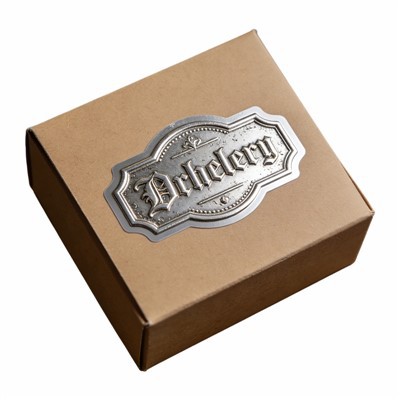
First off, let’s get into what electrical conductivity actually means. In simple terms, it’s how well a material can carry an electric current. Metals are generally known for being good conductors, and that’s a big reason why metal nameplates have some pretty cool electrical properties.
One of the most common metals used in metal nameplates is copper. Copper is like the rock – star of electrical conductivity. It has a high conductivity value, which means electrons can move through it really easily. When we use copper in our nameplates, it can be great for applications where electrical signals need to be transferred efficiently. For example, in some high – tech electronic devices, copper nameplates can act as small conductors to help with the flow of electricity within the device.
Another metal we often use is aluminum. Aluminum is a bit lighter than copper, but it still has decent electrical conductivity. It’s also more affordable, which is a plus for many of our customers. Aluminum nameplates are often used in situations where weight is a concern, like in aerospace or automotive applications. Even though its conductivity is not as high as copper’s, it can still do a good job of conducting electricity in many cases.
Stainless steel is also on the list of metals we use for nameplates. Now, stainless steel doesn’t have the same level of conductivity as copper or aluminum. It’s more of a middle – of – the – road option. But it has other great properties, like being corrosion – resistant. So, in environments where the nameplate needs to withstand harsh conditions and still have some electrical functionality, stainless steel is a solid choice.
The conductivity of these metals in our nameplates can be affected by a few factors. One of them is the purity of the metal. The higher the purity, the better the conductivity. For instance, if we have a copper nameplate made from 99% pure copper, it’ll conduct electricity much better than one made from a lower – purity copper alloy.
The thickness of the metal in the nameplate also matters. A thicker metal layer generally allows for better electrical conduction. This is because there’s more material for the electrons to flow through. However, we also need to balance this with other factors like the overall size and weight requirements of the nameplate.
Surface finish can also play a role. A smooth surface finish can reduce resistance and improve conductivity. When we polish the metal surface of the nameplate, it can help the electrons move more freely along the surface.
Now, let’s talk about some real – world applications of the electrical conductivity of our metal nameplates. In the telecommunications industry, our copper nameplates can be used in circuit boards. They help in the proper functioning of the board by allowing the electrical signals to travel smoothly between different components.
In the power generation sector, aluminum nameplates can be found on electrical equipment. They can act as grounding points or help in the transfer of electrical energy within the system.
For the medical device industry, stainless steel nameplates with their moderate conductivity and corrosion – resistance are used. They can be part of the electrical circuitry in devices while also withstanding the sterilization processes.
As a supplier, we understand the importance of these electrical conductivity properties. We work hard to ensure that the metal nameplates we produce meet the specific electrical requirements of our customers. Whether it’s a high – conductivity copper nameplate for a high – end electronic gadget or a corrosion – resistant stainless steel nameplate for a medical device, we’ve got you covered.
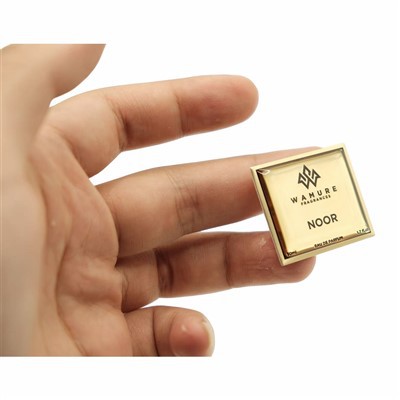
If you’re in the market for metal nameplates and need a specific level of electrical conductivity, you should definitely get in touch with us. We can help you choose the right metal, the right thickness, and the right surface finish for your application. We’ve got a team of experts who can answer all your questions and guide you through the process. So, don’t hesitate to reach out and start a discussion about your project.
Label References
- "Materials Science and Engineering: An Introduction" by William D. Callister Jr.
- "Metals Handbook: Properties and Selection: Nonferrous Alloys and Pure Metals"
Guizhou Mingguan Sign Nameplate Products Co., Ltd.
We’re well-known as one of the leading metal nameplate manufacturers and suppliers in China. With abundant experience, we warmly welcome you to wholesale bulk customized metal nameplate at low price from our factory. For quotation and free sample, contact us now.
Address: Xinpu New District, Zunyi City, Guizhou Province of China
E-mail: zhangyixuanmglabel@126.com
WebSite: https://www.mingguan-label.com/
