As a supplier of direct burial optical fiber cables, I often encounter inquiries about the potential use of our products in submarine applications. This question is not only relevant to the technical capabilities of our cables but also to the broader needs of the telecommunications and undersea infrastructure industries. In this blog post, I will explore whether direct burial optical fiber cables can be used in submarine applications, considering various technical, environmental, and economic factors. Direct Burial Optical Fiber Cable
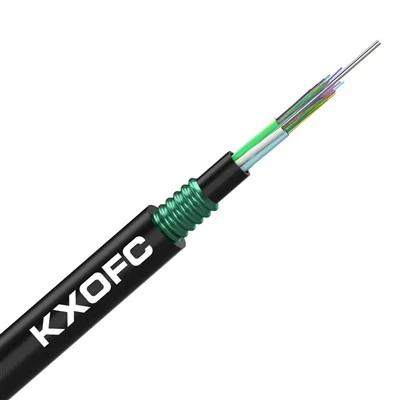
Understanding Direct Burial Optical Fiber Cables
Direct burial optical fiber cables are designed to be buried directly in the ground without the need for additional protective conduits. These cables are typically constructed with a robust outer sheath that provides protection against mechanical damage, moisture, and environmental stressors such as UV radiation and temperature variations. The inner core of the cable contains optical fibers, which are used to transmit data in the form of light signals over long distances with minimal loss.
The key features of direct burial optical fiber cables include:
- Robust Construction: They are built to withstand the rigors of being buried in the ground, including the pressure exerted by soil and rocks, as well as the potential for damage from excavation equipment.
- Moisture Resistance: A moisture – barrier layer is often included to prevent water from penetrating the cable and damaging the optical fibers.
- UV and Temperature Resistance: The outer sheath is designed to resist the effects of UV radiation and extreme temperatures, ensuring long – term performance in outdoor environments.
Submarine Application Requirements
Submarine optical fiber cables, on the other hand, are used to connect continents, islands, and offshore platforms. These cables must operate in an extremely harsh environment, characterized by high water pressure, corrosive seawater, and the potential for damage from marine life, fishing activities, and natural disasters such as earthquakes and tsunamis.
The requirements for submarine optical fiber cables are significantly different from those of direct burial cables:
- High – Pressure Resistance: Submarine cables are subjected to immense water pressure, which increases with depth. They must be designed to withstand this pressure without deformation or damage to the optical fibers.
- Corrosion Resistance: Seawater is highly corrosive, and submarine cables must be protected against corrosion to ensure long – term reliability. Specialized coatings and materials are used to prevent the degradation of the cable components.
- Mechanical Protection: Submarine cables need to be protected from mechanical damage caused by fishing trawls, anchor drops, and other underwater activities. Armoring layers are often added to provide additional strength and protection.
- Deep – Sea Installation and Repair: The installation and repair of submarine cables require specialized equipment and techniques, such as remotely operated vehicles (ROVs) and cable – laying ships.
Can Direct Burial Optical Fiber Cables be Used in Submarine Applications?
Technical Feasibility
In general, direct burial optical fiber cables are not suitable for submarine applications due to the significant differences in environmental conditions and performance requirements. While direct burial cables are designed to withstand some level of mechanical stress and moisture, they are not engineered to handle the extreme conditions of the deep sea.
The lack of high – pressure resistance in direct burial cables is a major limitation. The water pressure at great depths can cause the cable to collapse or compress the optical fibers, leading to signal loss and cable failure. Additionally, the materials used in direct burial cables may not be adequately resistant to corrosion from seawater, which can degrade the cable over time.
However, in some shallow – water applications, such as near – shore connections or short – distance links between islands in relatively calm waters, direct burial cables may be considered as a cost – effective alternative. In these cases, the water depth is relatively shallow, and the environmental conditions are less severe. The cables can be installed in a trench or buried in the seabed using similar techniques to those employed for land – based direct burial installations.
Environmental Considerations
Submarine environments are home to a diverse range of marine life, and the use of cables in these areas must be carefully considered to minimize the impact on the ecosystem. Direct burial cables may not be designed with the same level of environmental protection as dedicated submarine cables, which are often engineered to reduce the risk of entanglement with marine life and to prevent damage to sensitive habitats.
In addition, natural disasters such as hurricanes, tsunamis, and earthquakes can pose a significant threat to submarine cables. Direct burial cables may not have the same level of resilience to these events as submarine cables, which are designed to withstand the forces associated with these extreme weather conditions.
Economic Factors
The cost of submarine cables is typically much higher than that of direct burial cables due to the specialized materials, manufacturing processes, and installation techniques required. However, using direct burial cables in submarine applications may not result in significant cost savings in the long run. The potential for cable failure due to the harsh submarine environment can lead to costly repairs and downtime, which may outweigh the initial cost savings.
Conclusion
In conclusion, while direct burial optical fiber cables have their advantages in land – based applications, they are generally not suitable for most submarine applications. The extreme environmental conditions, high – pressure requirements, and need for specialized protection in the deep sea make dedicated submarine cables a more appropriate choice.
However, in certain shallow – water and near – shore applications, direct burial cables may offer a viable alternative, especially when cost is a major consideration. In these cases, careful assessment of the environmental conditions, installation requirements, and long – term performance is necessary to ensure the reliability of the cable system.
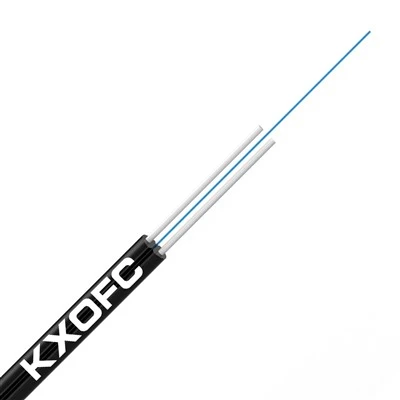
Indoor Optical Fiber Cable If you are considering a project that requires optical fiber cables, whether for land – based or potential shallow – water submarine applications, I encourage you to reach out to us. Our team of experts can provide you with detailed information about our direct burial optical fiber cables and help you determine the most suitable solution for your specific needs. We are committed to providing high – quality products and excellent customer service, and we look forward to the opportunity to discuss your project with you.
References
- ITU – T G.652, "Characteristics of a single – mode optical fibre and cable".
- Telcordia GR – 20, "Generic Requirements for Optical Fiber and Optical Fiber Cable".
- Submarine Cable Systems Association (SCSA) publications on submarine cable technology and installation.
Hangzhou Lin’an Kexin Optical Cable Co., Ltd.
As one of the most professional direct burial optical fiber cable manufacturers and suppliers in China, we’re featured by quality products and good price. Please rest assured to wholesale discount direct burial optical fiber cable made in China here and get pricelist from our factory. Customized orders are welcome.
Address: No. 28 Linglong Street,Lin’an Area, Hangzhou City, Zhejiang Province, China
E-mail: sales@kexincable.com
WebSite: https://www.kexincable.com/
