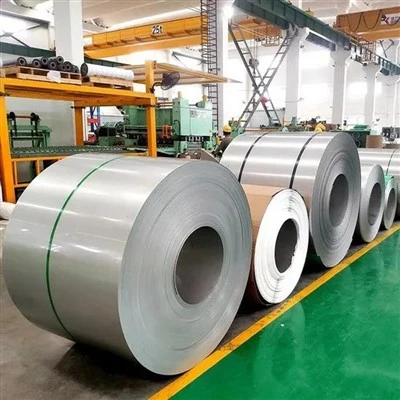
As a seasoned supplier of stainless steel pipes and tubes, I’ve witnessed firsthand the remarkable versatility and flexibility these products offer across a multitude of industries. In this blog post, I’ll delve into the various aspects of the flexibility of stainless steel pipes and tubes, exploring their physical properties, applications, and the benefits they bring to different sectors. Stainless Steel Pipe/Tube
Physical Properties Contributing to Flexibility
Ductility
One of the key factors that make stainless steel pipes and tubes highly flexible is their excellent ductility. Ductility refers to the ability of a material to deform under tensile stress without fracturing. Stainless steel, especially grades like 304 and 316, exhibits high ductility, allowing it to be drawn into thin wires or formed into complex shapes. This property enables the production of pipes and tubes with various diameters and wall thicknesses to meet specific design requirements.
For example, in architectural applications, stainless steel pipes can be bent and shaped to create unique and aesthetically pleasing structures such as handrails, balustrades, and decorative elements. The ability to form these pipes into different curves and angles without compromising their structural integrity makes them an ideal choice for modern architectural designs.
Malleability
Malleability is another important physical property that contributes to the flexibility of stainless steel pipes and tubes. It is the ability of a material to be hammered or rolled into thin sheets without breaking. Stainless steel’s malleability allows it to be easily fabricated into different forms, such as seamless or welded pipes.
Seamless pipes are produced by piercing a solid billet of stainless steel, resulting in a continuous and uniform tube without any welds. This process enhances the pipe’s strength and integrity, making it suitable for high-pressure applications in the oil and gas, chemical, and power generation industries. Welded pipes, on the other hand, are made by welding together strips or sheets of stainless steel. They offer a cost-effective alternative to seamless pipes and can be produced in large quantities with consistent quality.
Fatigue Resistance
Stainless steel pipes and tubes also possess excellent fatigue resistance, which is the ability of a material to withstand repeated loading and unloading cycles without failure. This property is crucial in applications where the pipes are subjected to dynamic stresses, such as in automotive exhaust systems, mechanical vibrations, and cyclic pressure variations.
The high fatigue resistance of stainless steel ensures that the pipes can maintain their structural integrity over an extended period, reducing the risk of premature failure and costly maintenance. This makes them a reliable choice for applications that require long-term durability and performance.
Applications of Stainless Steel Pipes and Tubes
Construction and Architecture
In the construction and architecture industry, stainless steel pipes and tubes are widely used for structural, decorative, and functional purposes. Their corrosion resistance, strength, and aesthetic appeal make them an ideal choice for building facades, roofing systems, bridges, and interior design elements.
For instance, stainless steel pipes are commonly used in the construction of high-rise buildings as support columns and beams due to their high strength-to-weight ratio. They can also be used to create decorative elements such as atriums, skylights, and staircases, adding a modern and sophisticated look to the building.
Chemical and Petrochemical Industries
The chemical and petrochemical industries require pipes and tubes that can withstand harsh operating conditions, including high temperatures, pressures, and corrosive environments. Stainless steel’s resistance to corrosion and oxidation makes it an excellent choice for transporting various chemicals, petroleum products, and gases.
In chemical plants, stainless steel pipes are used to carry acids, alkalis, and other corrosive substances. They are also used in the production of fertilizers, plastics, and pharmaceuticals, where the purity of the product is crucial. In the oil and gas industry, stainless steel tubes are used in pipelines, refineries, and offshore platforms to transport crude oil, natural gas, and refined products.
Food and Beverage Industry
The food and beverage industry has strict hygiene and safety standards, and stainless steel pipes and tubes are the preferred choice for conveying food products and beverages. Stainless steel’s non-toxicity, easy-to-clean surface, and resistance to corrosion and bacteria make it suitable for ensuring the safety and quality of food and beverage production.
In food processing plants, stainless steel pipes are used to transport milk, juice, beer, and other liquid products. They are also used in the production of food packaging materials, such as cans and bottles, to prevent contamination and ensure the freshness of the product.
Automotive and Transportation
In the automotive and transportation industries, stainless steel pipes and tubes are used for various applications, including exhaust systems, fuel lines, and structural components. Their high strength, corrosion resistance, and heat resistance make them an ideal choice for withstanding the harsh operating conditions of vehicles.
Stainless steel exhaust systems are commonly used in high-performance cars and trucks to improve engine efficiency and reduce emissions. They are also used in motorcycles, buses, and trains to provide reliable and durable exhaust solutions. In addition, stainless steel tubes are used in fuel lines to prevent fuel leakage and ensure the safe operation of the vehicle.
Benefits of Using Stainless Steel Pipes and Tubes
Corrosion Resistance
One of the most significant benefits of using stainless steel pipes and tubes is their excellent corrosion resistance. Stainless steel contains chromium, which forms a thin, protective oxide layer on the surface of the material, preventing it from rusting and corroding. This makes stainless steel pipes and tubes suitable for use in a wide range of environments, including coastal areas, chemical plants, and food processing facilities.
The corrosion resistance of stainless steel not only extends the lifespan of the pipes and tubes but also reduces the need for frequent maintenance and replacement, resulting in cost savings over the long term.
Durability and Longevity
Stainless steel pipes and tubes are known for their durability and longevity. They can withstand extreme temperatures, pressures, and mechanical stresses without deforming or breaking. This makes them a reliable choice for applications that require long-term performance and reliability.
In addition, stainless steel’s resistance to wear and tear ensures that the pipes and tubes can maintain their smooth surface finish, reducing the risk of blockages and improving the flow of fluids or gases.
Hygiene and Safety
In industries where hygiene and safety are paramount, such as the food and beverage, pharmaceutical, and medical sectors, stainless steel pipes and tubes are the preferred choice. Stainless steel’s non-porous surface is easy to clean and disinfect, preventing the growth of bacteria and other microorganisms.
This makes it suitable for conveying food products, drugs, and medical fluids without the risk of contamination. In addition, stainless steel is non-toxic and does not release any harmful substances into the environment, ensuring the safety of both the products and the users.
Aesthetic Appeal
Stainless steel pipes and tubes offer a sleek and modern appearance that can enhance the aesthetic appeal of any application. Their smooth surface finish and reflective properties make them suitable for use in architectural and decorative applications, adding a touch of elegance and sophistication to the design.
In interior design, stainless steel pipes can be used to create contemporary furniture, lighting fixtures, and wall panels. In exterior applications, they can be used to create unique building facades and landscaping features.
Conclusion
In conclusion, the flexibility of stainless steel pipes and tubes is a result of their unique physical properties, which include ductility, malleability, and fatigue resistance. These properties allow them to be easily fabricated into different shapes and sizes to meet the specific requirements of various industries.
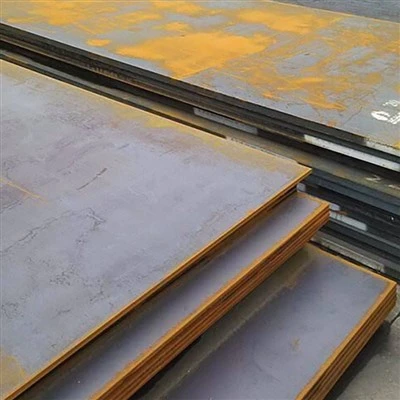
The wide range of applications for stainless steel pipes and tubes, including construction, chemical, food and beverage, automotive, and transportation, is a testament to their versatility and reliability. The benefits of using stainless steel pipes and tubes, such as corrosion resistance, durability, hygiene, and aesthetic appeal, make them a preferred choice for many industries.
Stainless Steel Coil If you are in need of high-quality stainless steel pipes and tubes for your project, I invite you to contact me to discuss your specific requirements. I am committed to providing you with the best products and services to meet your needs.
References
- ASM Handbook, Volume 1: Properties and Selection: Irons, Steels, and High-Performance Alloys. ASM International.
- Stainless Steel World Americas. Various articles on stainless steel properties and applications.
- Corus Group. Technical literature on stainless steel products.
Wuxi Jin Ming Jian De Industry & Trade Co., Ltd.
Wuxi Jin Ming Jian De Industry & Trade Co., Ltd. is one of the most professional stainless steel pipe/tube manufacturers and suppliers in China, also supports customized service. With abundant experience, we warmly welcome you to wholesale CE approved stainless steel pipe/tube in stock here from our factory. If you have any enquiry about quotation, please feel free to email us.
Address: 2102-2105, Yuexing Building, Guangnan Road, Liangxi District, Wuxi City, Jiangsu Province, China.
E-mail: info@wxjmjdss.com
WebSite: https://www.jmjdsteelexp.com/
