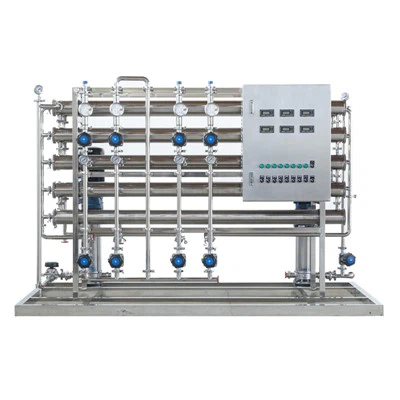
Reverse osmosis (RO) water systems are a popular choice for home and commercial use, offering a reliable way to purify water and remove contaminants. However, like any mechanical device, they can sometimes develop issues, and one common concern is noise. If you’re a customer experiencing noise from your RO water system, or you’re a professional in the industry looking to troubleshoot, this blog post is for you. As a supplier of reverse osmosis water systems, I’ve encountered various noise – related problems. Here’s a detailed analysis of the possible causes and solutions. Reverse Osmosis Water System
Air in the System
One of the most common reasons for a noisy RO water system is the presence of air. When the system is first installed or after maintenance, air can get trapped in the pipes. As water flows through the system, it encounters these air pockets, causing a gurgling or rattling sound.
How to Diagnose:
If the noise is a soft, gurgling sound that seems to come and go, it’s likely due to air. You may also notice that the noise is more prominent during the initial start – up of the system or after a long period of inactivity.
Solutions:
- Bleed the System: For most RO systems, there are bleed valves or release points. Locate these on your system and follow the manufacturer’s instructions to release the air. Open the valve slowly until you hear a hiss of air escaping, followed by a steady flow of water.
- Run the System: Let the system run for an extended period. Most air will naturally work its way through the system and out the drain port. Running the system for 15 – 20 minutes or so can often resolve the issue.
Loose Components
Over time, the constant vibration and movement within an RO water system can cause components to become loose. This includes pipes, fittings, and even the membrane housing. When these parts are not securely fastened, they can rattle against each other, producing a knocking or buzzing noise.
How to Diagnose:
A sharp, metallic knocking or buzzing sound is often an indication of loose components. You can visually inspect the system to see if any pipes or fittings seem to be vibrating or moving more than they should. Gently wiggle the components to check for looseness.
Solutions:
- Tighten Fittings: Use the appropriate tools, such as wrenches or pliers, to tighten any loose fittings. Be careful not to overtighten, as this can damage the threads or cause leaks.
- Secure Pipes: If the pipes are rattling, you can use pipe clamps or insulation to secure them in place. This will reduce vibration and eliminate the noise.
Pump Issues
The pump is a critical component of an RO water system, and problems with it can lead to significant noise. A failing pump motor, worn – out bearings, or improper installation can all cause the pump to make a loud, whining, or grinding noise.
How to Diagnose:
If the noise is a high – pitched whine or a grinding sound that seems to be coming from the pump area, it’s likely a pump issue. You may also notice a decrease in water flow or pressure, which can be another sign of a pump problem.
Solutions:
- Check the Pump Installation: Make sure the pump is properly installed and secured. It should be level and firmly attached to its mounting surface. If the pump is vibrating excessively, it may need to be re – installed or adjusted.
- Inspect the Pump Components: A qualified technician can open the pump and check for worn – out bearings, damaged impellers, or other issues. In some cases, these parts can be replaced, but in others, a new pump may be required.
Water Hammer
Water hammer is a phenomenon that occurs when the flow of water in a pipe is suddenly stopped or changed. This creates a shock wave that can cause the pipes to vibrate and make a loud banging noise. In an RO water system, this can happen when a valve closes suddenly, such as when the storage tank is full.
How to Diagnose:
A loud, sharp bang that sounds like a hammer hitting the pipes is a classic sign of water hammer. It often occurs when the system shuts off or when the water flow is abruptly altered.
Solutions:
- Install a Water Hammer Arrestor: These devices absorb the shock wave created by the sudden change in water flow. They can be installed near the valve or on the main water line leading to the RO system.
- Adjust Valve Closing Speed: Some modern RO systems allow you to adjust the closing speed of valves. Slowing down the valve closure can reduce the chance of water hammer.
Clogged Filters
Clogged filters can also contribute to noise in an RO water system. When the filters become dirty and blocked, water has a harder time flowing through them, which can cause increased pressure and vibration in the system.
How to Diagnose:
A humming or buzzing noise that seems to increase in intensity over time may be due to clogged filters. You may also notice a decrease in water flow or quality.
Solutions:
- Replace the Filters: Follow the manufacturer’s recommended schedule for filter replacement. Usually, sediment and carbon filters need to be replaced every 6 – 12 months, while RO membranes can last 2 – 3 years.
- Flush the System: In some cases, you can flush the system to remove some of the buildup in the filters. However, if the filters are severely clogged, replacement is the best option.
Conclusion
If your reverse osmosis water system is making noise, it’s important not to ignore it. While some noises may be minor and easily fixed, others can be indicative of more serious problems. By following the steps outlined above, you can diagnose and resolve many common noise – related issues.
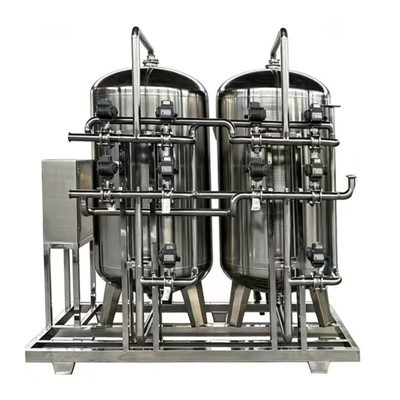
As a reputable supplier of reverse osmosis water systems, we are committed to providing high – quality products and excellent customer service. If you’re experiencing persistent noise problems or need further assistance with your RO water system, we’re here to help. Our team of experts can provide you with detailed troubleshooting advice or arrange for professional maintenance if needed.
Reverse Osmosis Water System Don’t let a noisy water system disrupt your peace. Contact us today to discuss your RO water system needs. Whether you’re looking to purchase a new system, upgrade your existing one, or simply need some guidance on maintenance, we’re ready to assist you. Take the first step towards a quiet and efficient water purification solution by reaching out to us for a consultation.
References
- "Water Treatment Systems: Operation and Maintenance" – A comprehensive guide on water treatment systems published by a well – known water industry organization.
- Manufacturer’s manuals for popular reverse osmosis water systems, which provide detailed information on common issues and troubleshooting steps.
- Technical papers on water flow dynamics and noise reduction in plumbing systems from leading engineering journals.
Shandong Yanuo Environmental Protection Equipment Co., Ltd.
We’re well-known as one of the leading reverse osmosis water system manufacturers and suppliers in China, featured by quality products and good price. Please rest assured to buy bulk reverse osmosis water system made in China here from our factory. Customized orders are welcome.
Address: North Side of the Road, 1,000 Meters West of the Intersection of Fenghuangshan West Road and Provincial Highway S102, Wangfu Subdistrict, Qingzhou City, Weifang City, Shandong Province.
E-mail: ynhb.499973983@gmail.com
WebSite: https://www.zkyaruo.com/
