What is the heat dissipation capacity of a processing machine? Processing Machine
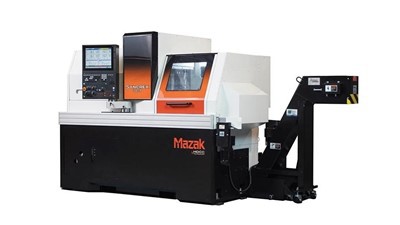
As a supplier of processing machines, I often encounter customers who are deeply concerned about the heat dissipation capacity of our products. Heat dissipation is a critical factor that directly impacts the performance, reliability, and lifespan of a processing machine. In this blog post, I will delve into the concept of heat dissipation capacity, its significance, and how it relates to our processing machines.
Understanding Heat Dissipation Capacity
Heat dissipation capacity refers to the ability of a processing machine to transfer heat generated during its operation to the surrounding environment. When a processing machine is in use, various components such as the CPU, GPU, and other electronic circuits generate heat due to electrical resistance and the conversion of electrical energy into other forms. If this heat is not effectively dissipated, it can lead to a significant increase in the internal temperature of the machine, which may cause several problems.
The heat dissipation capacity is typically measured in watts (W). A higher wattage indicates that the machine can dissipate more heat, which is generally better for maintaining optimal operating temperatures. For example, a processing machine with a heat dissipation capacity of 500W can handle more heat generated by its components compared to a machine with a capacity of 300W.
Why is Heat Dissipation Capacity Important?
1. Performance Maintenance
High temperatures can have a detrimental effect on the performance of a processing machine. When the internal temperature rises, the components may start to throttle to prevent overheating. Throttling means that the machine reduces its processing speed to generate less heat. This can lead to slower data processing, longer response times, and reduced overall productivity. By having an adequate heat dissipation capacity, the machine can maintain a stable temperature, allowing the components to operate at their full potential.
2. Reliability and Lifespan
Excessive heat is one of the main causes of component failure in processing machines. High temperatures can accelerate the aging process of electronic components, causing them to degrade more quickly. This can lead to frequent breakdowns, system crashes, and ultimately, a shorter lifespan for the machine. A processing machine with good heat dissipation capacity can keep the components within a safe temperature range, which enhances the reliability of the machine and extends its operational lifespan.
3. Energy Efficiency
When a processing machine is overheating, it has to work harder to maintain its performance. This increased workload requires more energy, which in turn leads to higher energy consumption. By ensuring efficient heat dissipation, the machine can operate more smoothly and use less energy, resulting in cost savings for the user.
Factors Affecting Heat Dissipation Capacity
1. Cooling System Design
The design of the cooling system is one of the most important factors affecting heat dissipation capacity. There are several common types of cooling systems used in processing machines, including air cooling, liquid cooling, and heat pipes.
- Air Cooling: This is the most common and cost – effective cooling method. It uses fans to blow air over heat sinks, which absorb heat from the components. The efficiency of air cooling depends on the size and speed of the fans, as well as the design of the heat sinks. Larger fans can move more air, and heat sinks with more surface area can dissipate heat more effectively.
- Liquid Cooling: Liquid cooling is a more advanced cooling method that uses a liquid coolant to transfer heat away from the components. The coolant is circulated through a system of pipes and a radiator, where the heat is dissipated into the surrounding air. Liquid cooling systems can provide more efficient heat transfer compared to air cooling, especially for high – performance processing machines.
- Heat Pipes: Heat pipes are sealed tubes filled with a working fluid. They can transfer heat from a hot source to a cooler area more efficiently than solid metal conductors. Heat pipes are often used in combination with air cooling or liquid cooling systems to enhance heat dissipation.
2. Component Density
The density of components inside the processing machine also affects heat dissipation. When components are packed closely together, it becomes more difficult for heat to escape. This is because the heat has to travel through a more congested space, and there is less room for air or coolant to flow. Therefore, a well – designed processing machine should have an appropriate layout to ensure sufficient space for heat dissipation.
3. Ambient Temperature
The ambient temperature of the environment in which the processing machine is operating also plays a role. In a hot environment, it is more challenging for the machine to dissipate heat, as the temperature difference between the machine and the surrounding air is smaller. This means that the heat transfer rate will be lower. To compensate for high ambient temperatures, the processing machine may require a more powerful cooling system.
Our Processing Machines and Heat Dissipation
At our company, we understand the importance of heat dissipation in processing machines. That’s why we have invested heavily in research and development to design and manufacture machines with excellent heat dissipation capacity.
Our processing machines are equipped with state – of – the – art cooling systems. For example, many of our models use a combination of high – performance fans and large – surface – area heat sinks for air cooling. These fans are carefully selected for their high airflow and low noise levels, ensuring efficient heat dissipation without causing excessive noise pollution.
In addition, we also offer liquid cooling options for our high – end processing machines. Our liquid cooling systems are designed to provide optimal heat transfer, allowing the components to operate at low temperatures even under heavy workloads.
We also pay close attention to the internal layout of our machines. We use advanced design techniques to ensure that the components are arranged in a way that maximizes airflow and minimizes heat accumulation. This helps to improve the overall heat dissipation efficiency of the machine.
Conclusion
In conclusion, the heat dissipation capacity of a processing machine is a crucial factor that affects its performance, reliability, and energy efficiency. By understanding the concept of heat dissipation capacity and the factors that influence it, customers can make more informed decisions when choosing a processing machine.
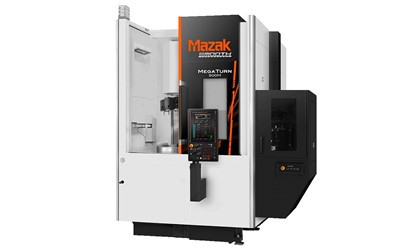
If you are in the market for a processing machine and are concerned about heat dissipation, we invite you to contact us for more information. Our team of experts can provide you with detailed product specifications and help you select the machine that best meets your needs. Whether you are a small business owner or a large – scale industrial user, we have the right processing machine for you. Let’s start a conversation about your requirements, and we can work together to find the perfect solution.
5-axis Machining Centers References
- "Thermal Management in Electronic Systems" by Craig T. Marshall
- "Heat Transfer in Engineering Applications" by Frank P. Incropera and David P. DeWitt
- Industry reports on processing machine technology and performance.
Hermens Industrial Co., Ltd.
As one of the most professional processing machine enterprises in China, we’re featured by quality products and low price. Please rest assured to buy cheap processing machine in stock here and get quotation from our factory. We also accept customized orders.
Address: 9/59 Moo 14, Rachathewa , Bang Phli , Samut Prakan Province 10540
E-mail: liu_jincheng@hzhemen.com
WebSite: https://www.hermensindustrial.com/
