Yo, I’m a supplier of raised flooring. And you know what? One question I get asked a lot is how does raised flooring handle seismic activity. It’s a legit concern, especially in areas prone to earthquakes. So, let me break it down for you. Raised Flooring
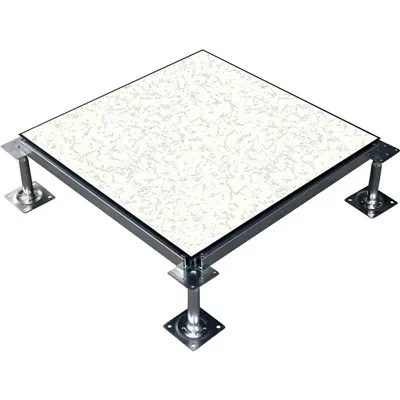
First off, what’s raised flooring anyway? Well, it’s a type of flooring system that’s elevated above the structural floor. There’s a space between the two, which can be used for all sorts of things like hiding electrical cables, plumbing, and HVAC ducts. It’s super popular in data centers, control rooms, and other commercial spaces where you need easy access to all that stuff.
Now, when it comes to seismic activity, raised flooring has some unique features that help it handle the shakes. One of the key things is the way the flooring modules are connected. Most raised flooring systems use a locking mechanism that keeps the tiles in place. This helps to prevent the tiles from shifting or falling off during an earthquake. It’s like how you’d buckle up your seatbelt in a car to stay in place.
Another important factor is the support structure. The pedestals that hold up the raised floor are designed to be strong and stable. They’re usually made from materials like steel or aluminum, which can withstand a lot of force. And they’re installed in a way that distributes the weight of the floor evenly, reducing the risk of any one part of the floor collapsing.
But it’s not just about the physical structure. The design of the raised floor also plays a role. For example, some raised flooring systems have a flexible design that allows them to move with the seismic waves. This can help to absorb the energy of the earthquake and reduce the stress on the floor. It’s kind of like how a tree bends in the wind instead of breaking.
In addition to these features, there are also some things you can do to make your raised floor even more earthquake-resistant. One is to anchor the floor to the structural floor. This can help to keep the entire floor system in place during an earthquake. You can use bolts or other fasteners to do this.
Another thing is to use seismic clips. These are small devices that are installed between the floor tiles and the pedestals. They add an extra layer of support and help to keep the tiles from shifting. They’re like little safety nets for your floor.
It’s also important to have your raised floor installed by a professional. A qualified installer will know how to properly install the floor to ensure its seismic resistance. They’ll follow the manufacturer’s guidelines and use the right tools and techniques. And they’ll also be able to identify any potential issues and address them before they become a problem.
Now, let’s talk about some real-world examples. There have been several cases where raised flooring has performed well during earthquakes. For instance, in some data centers located in earthquake-prone areas, the raised floors have remained intact even after significant seismic events. This means that the servers and other equipment housed in these data centers were protected, and the businesses were able to continue operating without major disruptions.
On the other hand, there have also been situations where raised flooring didn’t fare so well. Usually, this is because the floor wasn’t installed correctly or it wasn’t designed to handle the level of seismic activity in the area. That’s why it’s so important to do your homework and choose the right raised flooring system for your needs.
So, if you’re in an area where seismic activity is a concern, and you’re thinking about getting raised flooring, don’t be scared. With the right design, installation, and maintenance, raised flooring can be a great solution. It offers a lot of benefits, like easy access to underfloor utilities, and it can also help protect your property and equipment during an earthquake.
Whether you’re building a new data center, an office space, or any other commercial building, investing in a high-quality raised flooring system can give you peace of mind. You’ll know that your floor can withstand the shakes and keep your operations running smoothly.
And that’s where I come in. As a raised flooring supplier, I’ve got a wide range of products to meet your needs. Whether you’re looking for a basic raised floor system or a more advanced seismic-resistant one, I can help you find the right solution. I’ve worked with many customers in earthquake-prone areas, and I know what it takes to make sure your floor is safe and reliable.

If you’re interested in learning more about our raised flooring products and how they can handle seismic activity, don’t hesitate to reach out. We can have a chat about your specific requirements, and I can give you more detailed information about our offerings. I’m here to help you make the right choice for your project.
Raised Flooring Systems References
- Building Seismic Safety Council. (20XX). Guidelines for Seismic Design of Raised Flooring Systems.
- International Building Code. (20XX). Provisions for Seismic Design of Flooring Systems.
Fineco Tech Co., Ltd.
As one of the most professional raised flooring manufacturers and suppliers in China, we’re featured by quality products and good service. Welcome to wholesale customized raised flooring made in China here from our factory. If you have any enquiry about cooperation, please feel free to email us.
Address: Wuyue Square, Wujin District, Changzhou, Jiangsu, China
E-mail: info@finecotech.com
WebSite: https://www.finecoglobal.com/
